by Poop Genie | Jun 1, 2023 | Dog Camping
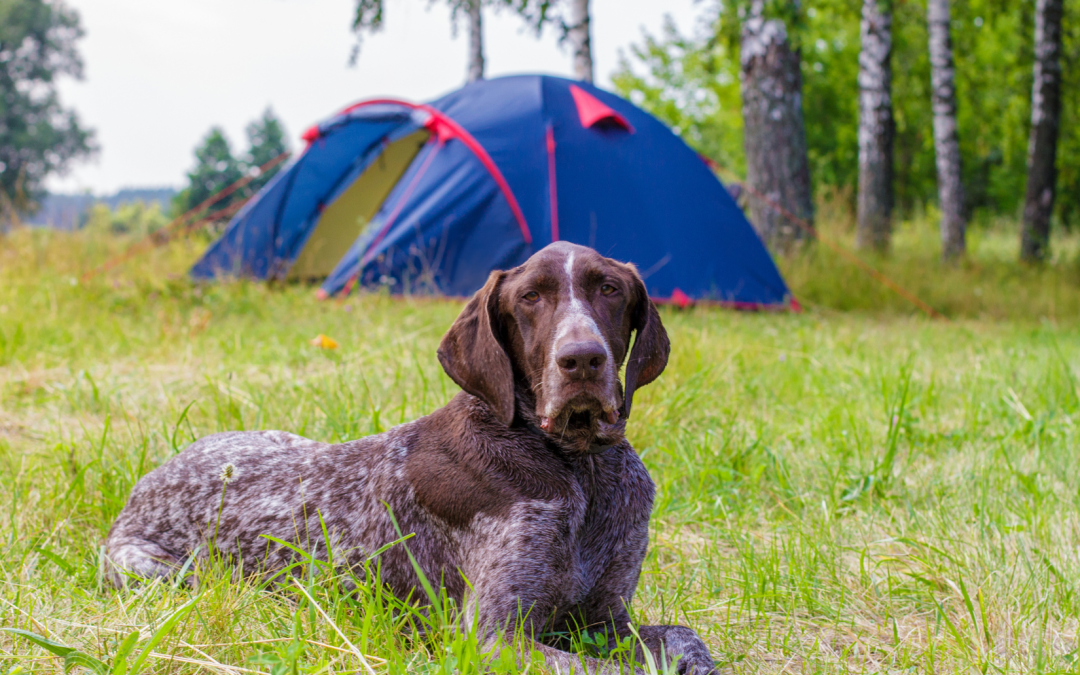
Summer has arrived, and with that comes outdoor adventures, gatherings with friends and family, going for hikes with your dog, and of course camping! We want to make sure before you head out there to enjoy a nice camping trip with your pet, that you are fully prepared for all that is involved.
What should I know before I take my dog camping?
Taking your dog camping can be a fun and rewarding experience, but it’s important to make sure you’re prepared for the trip. Here are some things to consider before taking your dog camping:
- Check the campground’s pet policy: Not all campgrounds allow dogs or have specific rules regarding pets. Make sure to check the campground’s pet policy before you go to avoid any surprises.
- Pack accordingly: Bring plenty of food and water for your dog, as well as a bowl for them to eat and drink from. You may also want to bring a leash, collar with identification, and a stake or tie-out to keep your dog safe and secure.
- Bring a first-aid kit: Accidents can happen, and it’s important to be prepared. Bring a first-aid kit for your dog that includes items like gauze, antiseptic wipes, and tweezers.
- Plan for exercise: Your dog will need plenty of exercise while camping, so plan ahead for hikes, walks, or other activities. Make sure to also pack toys or other items to keep your dog entertained.
- Be mindful of wildlife: Depending on where you’re camping, there may be wildlife around that could be dangerous to your dog. Keep an eye out for snakes, bears, or other animals, and keep your dog on a leash or close by at all times.
- Clean up after your dog: Make sure to bring bags to clean up after your dog’s waste and dispose of it properly. Leaving waste behind can be harmful to the environment and other campers.
By following these tips, you can help ensure that your camping trip with your dog is safe and enjoyable for everyone involved.
Can my dog stay in my tent or trailer if it is hot out?
If the temperature inside your tent or trailer is too hot, it’s generally not recommended to leave your dog inside, as it could lead to heat exhaustion or heat stroke. The temperature inside a tent or trailer can quickly rise and become stifling, especially during the summer months. Dogs are also more susceptible to heat exhaustion and heat stroke than humans, so it’s important to take extra precautions to keep them cool.
If you’re camping in hot weather, it’s best to provide your dog with a shaded and well-ventilated area outside of your tent or trailer, such as a canopy or awning. You can also bring a portable fan to help circulate air and keep your dog cool. Additionally, you can provide your dog with plenty of fresh water to drink and a cooling mat or bed to lie on.
It’s generally not recommended to keep your dog inside a tent during hot weather, as tents can quickly become hot and stuffy, which can lead to heat exhaustion or heat stroke in dogs. If you’re camping in a warm climate, it’s important to ensure that your dog has access to plenty of shade, water, and a cool place to rest.
If you do need to keep your dog inside the tent for short periods during the day, make sure to provide plenty of ventilation and airflow by opening the tent flaps or using a fan. You can also use a portable cooling mat or bed for your dog to lay on, or provide a shaded area outside the tent with a water source to keep them cool.
Is it ok to leave my dog at my campsite alone?
Leaving your dog alone at your campsite can be risky and is generally not recommended. There are several reasons why:
- Safety: Your dog could be at risk of injury, theft, or getting lost if left alone at your campsite.
- Noise: Your dog may bark, whine or howl when left alone, which could disturb other campers and wildlife.
- Heat or cold: Depending on the weather conditions, leaving your dog alone could expose them to extreme temperatures, which can be dangerous and lead to heatstroke or hypothermia.
- Environmental hazards: There may be environmental hazards, such as poisonous plants, sharp rocks, or wild animals, that could pose a danger to your dog if left alone.
If you need to leave your campsite for any reason, it’s best to take your dog with you or find a safe place to leave them, such as a kennel or doggy daycare. If you do need to leave your dog alone, make sure to leave them with plenty of water, shade, and a comfortable place to rest, and check on them frequently. It’s also important to follow any local rules or regulations regarding leaving pets unattended.
Tired of dealing with pet waste during camping? Poop Genie has the solution. Schedule your first cleanup for a cleaner, healthier campground. Contact us today to get started on the path to a cleaner space!
by Poop Genie | Feb 16, 2023 | Dog Poop
Picking up your dog’s poop is important for several reasons:
- It’s the law: In many areas, failing to pick up after your dog can result in a fine. Local ordinances and regulations may require pet owners to clean up their dog’s waste and dispose of it properly.
- It’s a courtesy to others: Nobody likes stepping in dog poop. By picking up after your dog, you’re showing consideration for other people who use the same area, including other dog owners, children, and those who may not be as mobile.
- It’s hygienic: Dog feces can contain harmful bacteria and parasites that can make people sick. Picking up your dog’s poop helps to prevent the spread of these pathogens.
- It’s good for the environment: Dog waste can be a source of pollution, particularly in waterways. Picking up after your dog helps to keep the environment clean and healthy.
What is spring clean up for dogs?
Spring clean up for dogs typically refers to the process of cleaning up your yard or outdoor space after the winter season in preparation for the warmer months ahead. This can involve a variety of tasks related to your dog, such as:
- Removing any accumulated dog waste that may have been left over the winter. This is important for maintaining a clean and healthy outdoor space, and for preventing the spread of disease.
- Checking the yard for any hazards that may have arisen over the winter, such as broken branches, holes, or other debris. This is important for ensuring that your dog can safely play and explore the outdoor space.
- Cleaning and organizing any outdoor dog toys, beds, or other accessories that may have become dirty or damaged over the winter.
- Checking and repairing any outdoor fencing or barriers that may have been damaged or become loose over the winter.
Why hire someone to pick up our dog’s poo?
Poop Genie specializes in this service. We offer a range of options, including regular weekly or bi-weekly cleanups, as well as one-time cleanups for special occasions or events.
Hiring a professional poop scooper can be a convenient option for dog owners who don’t have the time or desire to do it themselves, or who may have physical limitations that make it difficult to clean up after their pets. These services can help ensure that your yard or outdoor space stays clean and healthy and can also save you time and effort.
Poop Genie comes with a good reputation, experience, and competitive pricing. You can check out Google Reviews to be sure!
Overall, spring clean up for dogs is an important part of maintaining a clean, safe, and enjoyable outdoor space for your dog. By taking the time to clean and organize your outdoor space, you can help ensure that your dog can enjoy the outdoors to the fullest.
Choose Poop Genie to keep your outdoor space clean and fresh. Ready for a yard cleanup? Book your first service today. Contact us for a quote or to secure your spot!
by Poop Genie | Jan 13, 2023 | Tips for Dogs
Ain’t dogs more loyal than humans? Amongst all the animals, dogs are man’s best friend. They are always there to greet us when we return back home after a tiring day. They want to play and cuddle with us and most of all go outside and also enjoy going for long walks with their masters.
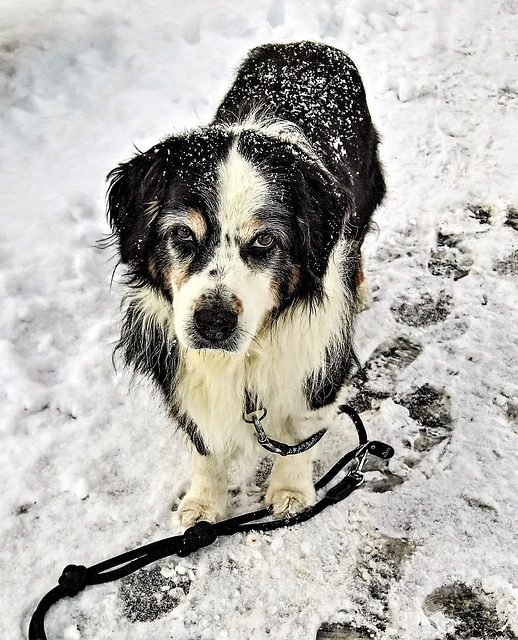
It is essential not only in winter but all year round to make sure that we take our dogs for walks and give them enough exercise. They are required to walk in order to maintain their health and just like us, their mental wellness. But in winter, it can be difficult for dogs to walk on the ice or snow, or even be in the cold weather for long periods of time.
You should be careful of the environment you decide to walk in and make sure that you are not walking them in areas where they might get hurt. Find cleared-off paths, or easily accessible walkways to ensure neither of you finds yourself slipping or falling. Anything below 32°F is safe but once you get below 20°F be aware that dogs could potentially develop hypothermia and frostbite.
As all of us suffer from cold during winter, so do the dogs. Taking your dog for a walk and to their toileting spot can be very difficult due to the low temperatures. Pick up the poo can be even worse! (But hey that’s why we exist…Request A Quote.)
We have some winter walking weather tips for you and your dog to make sure everyone stays safe and healthy.
- Bring water and snacks with you when going out during the colder months too, as they will need extra fluid intake because they cannot regulate their own body temperature much below 39°F (4°C) We found a great solution from YOGI Pet. This Portable dog water bottle is made of high-quality food-grade plastic, BPA-free, and lead-free. With this bottle, your pets are able to eat and drink anytime, anywhere. Enjoy happy outdoor time with your pet.
- Dress up in a coat or sweater to ensure you take the edge off. You need a coat so why don’t they? They can act as heat insulators as well as break the chilly wind that comes with that winter weather some days. An amazing company is called Puppy Protection a clothing company for dogs that has plenty of selection and choices. they also have a 10% off offer for first-time buyers and a great sale selection as well. Keep your dog styling and safe as you hit the paths in those colder winter months.
- Wear Booties to protect their paws and stay safe on the icy paths. first things first, the fit is super important. Boots should be comfortable and not too tight. And, of course, they need to actually stay on. You may have to try many pairs on your dog to find a good fit so be sure to bring your dog with you or ensure you can return them. A great brand is called Muttluks which offers several different varieties and options in color and style. If your dog will not wear boots another option is Paw Balm which is a waxy product that protects their paws from the cold and is an alternative to booties.
The following are some general tips to keep in mind before walking your dog during the winter:
- Keep your dog on a leash and under control at all times – if they are off leash and get scared or spooked and run off, the cold weather could cause potentially dangerous situations for them.
- Make sure that YOU are wearing warm clothes, boots, and gloves before taking your dog out for a walk, your dog needs you safe and healthy as well so be sure to take care of yourself before heading outside.
- Use a harness instead of a collar so that if your dog does slip on ice, he will not choke himself.
- Try to avoid walking in areas where there is ice or snow as these surfaces can be dangerous for both you and your pet.
- If possible, walk mid-morning or mid-day when it is the warmest and brightest.
The winter season is a great time to take your dog for a walk. The smell of a brisk winter day and the energy you use to walk in the colder weather is amazing for both you and your dog physically and mentally. Walking is known to decrease stress, calm your mind and get your heart rate up, all good things. When you are a healthy person you are a healthy pet owner. You can enjoy the outdoors, stay healthy mentally and physically, AND have some quality time with your pet
We hope our Winter Dog Walking Tips and product suggestions have been helpful for this time of year. The health of dogs and owners alike is of the utmost importance any time of year but the winter can be the most harmful. Have quality time together while maintaining health and wellness for you both!
by Poop Genie | Nov 10, 2022 | Dog Poop
The regularity of a dog’s stool can vary depending on many factors. Younger dogs tend to have more bowel movements, while older dogs have fewer. Below is a rough guide, but it’s important to remember that frequency alone rarely provides the full picture, and consistency must also be considered.
Occasional extra or missed bowel movements are usually nothing to worry about. Several factors can affect your dog’s habits, including his diet, how often he eats, getting extra treats, picking up litter, amount of exercise, and stress.
However, it’s important to consider the consistency of your dog’s poop when picking it up, as it could be a symptom of other problems. 2
How often should my dog poo?
For most adult dogs, the average is 1 to 3 poops per day. If your dog has more frequent bowel movements but has been having frequent bowel movements, it may not be a cause for concern. If your dog’s movements suddenly become more frequent, see your veterinarian right away.
The key here is that most adult dogs should have a bowel movement at least once a day, and at a fairly regular time. Maybe you eat it once a day, or three times a day, and that’s fine. If your dog doesn’t have a bowel movement or diarrhea within 24 hours but seems otherwise fine, there’s probably nothing to worry about. However, if you suddenly start urinating more than once a day for several days in a row, or have no bowel movements at all for more than 48 hours, you should investigate possible changes in the cause.
The frequency of your dog’s bowel movements should be consistent throughout the day whether it’s once or four times a day. As long as it’s the same every day, don’t worry.
Which factors tell your pup poop is healthy?
Older dogs must poop about one or three times per day, while puppies poop more frequently (approximately four times per day or more) and senior dogs could only poop once each day. Numerous factors determine your pet’s poop frequency.
Check for color, content, consistency, size, shape, and even smell. And try to keep track of how often your dog poops. If anything worries you right away, or if you notice other signs that your dog is unwell, call your veterinarian.
After eating how much time does a dog take to poop?
Many dogs require 8-12 hours to completely digest a meal. A smaller meal will also be digested quicker by your dog as compared to a solid meal. As such, unless you nourish your dog twice a day, they will most probably have to poop twice a day.
Pet owners should plan walks after meals because most dogs poop 30 minutes after eating. The volume of the food is important; relatively small meals digest faster, in contrast to bigger food. So if your dog eats multiple times a day instead of one massive meal, they may have to poop earlier. 1
When You Should Be Worried About Your Dog’s Poop Routine?
Additional poop or skipped poop is usually not a cause for concern. Numerous factors determine your dog’s excretion habits, such as diet, frequency of eating, additional snacks, waste plundering, and amount of exercise. Any deviation from the normal routine that lasts more than a day or two should be investigated. One should pay attention to the dog’s poop if they are not cleaning of dog poo themselves. 3
Conclusion
Poop is an unpleasant task that many people have to deal with daily. At Poop Genie we scoop your dog’s poop so you don’t have to! Contact us today to book our services for 1 dog or more, weekly or monthly, our service plans meet your doggie’s pooping schedule needs!
References:
- Gross, M. (2015). Natural waste: canine companions and the lure of inattentively pooping in public. Environmental Sociology, 1(1), 38-47.
- Zhongming, Z., Linong, L., Xiaona, Y., Wangqiang, Z., & Wei, L. (2018). Don’t waste your dog’s poo–compost it.
- Nacapunchai, D., & Dekumyoy, P. (2019, November). HAND CREEPING ERUPTION DUE TO DOG POOP PICKUP WITH PAPER TOWEL. In INTERNATIONAL ACADEMIC MULTIDISCIPLINARY RESEARCH CONFERENCE IN BELGIUM 2019 (pp. 185-189).
by Poop Genie | Jun 25, 2022 | Dog Poop
Picking up dog’s poop might be a little daunting for you. Have you ever thought of what it will do to the environment you’re living in if you do not remove your dog’s poop? The idea of skipping or not scooping at all might be tempting, but you need to understand that it goes against sustainability practices and has detrimental effects to the environment. By not scooping your dog’s poop, you are risking future generations and destroying the planet we live on.
According to a LA Times report, 38% of people are reluctant about removing their pet’s waste. Below are some solid and logical reasons to persuade you to pick up your dog’s waste.
1. It Affects Our Waterways
If you take your dog on a walk and he pooped in the bushes or road, you might not care about it and move along. But when rainfall comes, it will be carried to water tributaries through the drainage system, resulting in dog waste pollution. Also, you might face the same situation taking a stroll on the beach or possibly just outside your home in your very own backyard.
The bottom line is that if you are not disposing of your dog’s waste in an ethical way, you are contributing to high fecal matter counts in the water table around us. According to research, 30% of bacteria in the water are caused by pet waste. Just think of the unsanitary water and conditions when your kids go for a swim or use water for other purposes. It will only lead to contaminated water or eventually severe illness.
Water with high amounts of waste also becomes unusable for the local communities and water-living organisms. Also, these areas close down boating, fishing, and swimming completely. Sometimes, there is a growth of algae and weeds in such water, called algal blooms, making it entirely polluted and unusable.
2. It Contains Unhealthy Bacteria and Parasites
Dog poop can lead to transmitting diseases in humans, either from bacteria or parasites. The infections transmitted from bacteria include:
- Yersiniosis is a disease that leads to infection in the human intestines. Its risk increases if present in water.
- E. Coli infections are most common in people having a weak immune system. It can cause fever, nausea, stomach cramps, and can lead to death.
- Salmonellosis can also transfer due to dog poop and lead to headaches, diarrhea, muscle aches, and fever.
The infections transmitted from parasites include:
- Roundworm, which can cause blindness, and it can be transmitted through dog waste.
- Tapeworms may cause infection because of the same reason. In humans, they can stick to the intestine and absorb nutrients.
- Cyclospora infection may also be caused due to dog poop causing illness in human beings.
- Cryptosporidium and Giardia parasites transmitted through the dog fecal matter can cause intestinal disease in humans.
As shown above, if dog poop removal is not done effectively, it can lead to several health hazards in humans. These bacteria and parasites are easily preventable with proper poop scooping methods.
3. Poop Scooping Is A LAW
In some areas, dog poop cleanup is termed as a LAW. It is most certainly a moral and ethical responsibility to pick up your dog’s poop from public areas or your home. The law is referred to as the “Pooper Scooper Law.” It says that if the dog owners do not pick up the fecal matter, they will be fined. A park in Madrid, Spain might mail it back to you if you don’t clean it up as per the Washington Post.
Such a situation does not prevail in all areas, but it always helps to be a good member of the community and clean up after your pet. The smell is quite overwhelming, and it will cause restlessness for several neighbors. Not to mention the environmental impacts associated with no cleanup at all.
4. Dog Poop Is NOT Fertilizer
If you think that the dog’s poop will act as Fertilizer like a cow’s manure, you are wrong. The diet of dogs is usually high in protein; hence their effect is opposite to Fertilizer. Dog fecal matter is highly acidic, having nitrogen and phosphorus in it. It is harmful to lawn grass and can destroy any vegetables if grown (because of bacteria).
It Is A Pollutant
The EPA (Environmental Protection Agency) describes dog fecal matter as a pollutant. It is because of two factors: pathogens and nutrients. When runoff moves into the water, the pathogens can encounter humans, causing illness. Nutrients can also cause contamination of water bodies and algal blooms in water. The water is deemed unuseable afterward.
Some Tips Regarding Dog Poop Clean Up
Cleaning the poop of your dog is your responsibility as a pet owner. Here are some tips you can follow when it comes to dog poop removal:
- Use A Waste Bag While Moving Outside
When you take your dog on a walk, carry a poop bag with you. It will prevent you and other people from the hassle of the stinky smell, all while protecting the environment. Also, make sure that the bag is biodegradable. The bags made from plastic are not eco-friendly and have devastating effects on the environment due to slow decomposition.
- Use Nutrient-Rich Dog Food
High-quality dog food will help your dog to ingest more and eliminate less. So, make sure that it’s nutrient-rich and balanced in terms of your dog’s dietary requirements. Consult with your local Veterinarian to find a brand that will work for your dog.
- Do Not Let Your Dog Poop Near Water
While moving outside, don’t let your dog poop near water. It will have hazardous effects on the water affecting marine life and water quality. The water will not be able to continue its renewable cycle, resulting in fecal pollution.
Also, make sure to house-train your dog to prevent any mishaps in public places. A trained dog should help eliminate putting you in any sticky situations.
- Use Dog Waste Removal Service
If poop removing is something you’re not into, choose professional dog poop scooper services to take care of this matter. Poop Genie is the best option in this regard. There are several packages available depending on your budget, with scheduled visits for protecting your pets and family.
Convenience and communication are also front of mind as Poop Genie offers text message services a day before their visit. This helps you keep needed gates open and aggressive dogs inside as they scoop. Rest assured, they are top-notch.
In Conclusion
Not scooping your dog poop is detrimental to the environment, your family, and your pets. This chore might be irritating for you but is essential to continue being a good steward of the environment and communities around us. You can hire dog waste removal services like Poop Genie in this regard. Learn to know more about us. Whatever you do, make sure that you are playing your part in sustaining this wonderful planet we call Earth.
References:
https://www.latimes.com/nation/la-oe-lewis-dogs-environmentalism-20141102-story.html
http://usatoday30.usatoday.com/news/science/2002-06-07-dog-usat.htm
https://cfpub.epa.gov/npstbx/files/Pet%20care%20fact%20sheet.pdf
https://www.washingtonpost.com/news/animalia/wp/2016/04/27/madrid-is-the-latest-city-to-fight-a-dog-poop-epidemic-that-just-wont-go-away/?noredirect=on&utm_term=.4f11d7923cd1
https://www.poopgenie.com/