
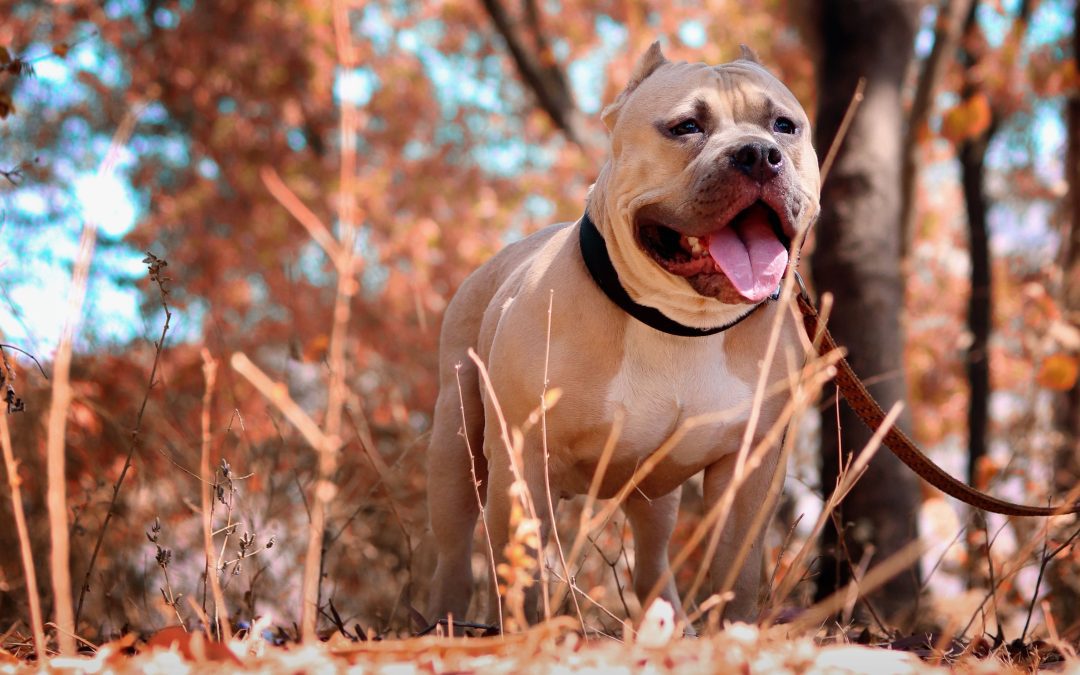
Fall in Pennsylvania is pretty spectacular.
Cooler mornings. Changing leaves. Weekend hikes. Long walks without wondering whether the pavement is approximately the temperature of the sun.
For dogs? This is prime time.
But fall also comes with a surprisingly long list of jobs for Pennsylvania dog owners. There are muddy paws to manage, leaves taking over the backyard, ticks that haven’t gotten the memo that summer is finished, shorter daylight hours, and the annual realization that winter is coming whether we’re ready for it or not.
Before the first snow arrives, there are a few things every Pennsylvania dog owner should have on their fall checklist.
And don’t worry—we’re not suggesting you spend your entire weekend doing dog chores.
That’s exactly why services like Poop Genie exist.
1. Take Advantage of Pennsylvania’s Best Dog-Walking Weather
If your dog spent July looking at you like you had personally betrayed them every time you suggested an afternoon walk, fall is your redemption season.
Cooler temperatures make autumn an excellent time to get outside and explore Pennsylvania with your dog.
Pennsylvania has 125 state parks covering more than 300,000 acres, and pets are welcome in designated areas throughout the state park system. Dogs need to remain physically controlled and attended, and individual park restrictions still apply, so checking the rules for your destination before heading out is always worthwhile.
Whether you’re exploring a local trail, visiting a state park, or simply extending the neighbourhood walk, fall is a great opportunity to give your dog additional exercise before winter weather changes the routine.
Poop Genie Pro Tip: Keep a small fall dog kit near the door with waste bags, a towel, water, and a flashlight. You’ll thank yourself the first time your dog finds the muddiest part of the trail.
2. Don’t Retire the Tick Checks Yet
Here’s one of the biggest misconceptions about fall dog care:
Summer is over, so tick season must be over too.
Unfortunately, Pennsylvania’s ticks did not agree to that arrangement.
The Pennsylvania Department of Health reports that ticks are particularly active from April through August and again during October and November. They may even remain active during winter whenever temperatures rise above freezing.
That means your fall hikes, leaf-covered trails and backyard adventures should still include tick awareness.
After spending time outdoors, check your dog carefully—particularly around the ears and eyelids, beneath the collar, under the front legs, between the legs and toes, and around the tail.
Talk with your veterinarian about appropriate year-round tick prevention for your dog.
The Backyard Matters Too
Fall yard maintenance can also play a role.
Pennsylvania health officials recommend minimizing leaf piles and keeping grass, weeds, and shrubbery trimmed as part of reducing tick-friendly environments around the home.
In other words:
That enormous leaf pile you’ve been meaning to deal with?
Your dog thinks it’s a playground.
Ticks may think it’s pretty great too.
Poop Genie Pro Tip: Don’t allow leaves to sit indefinitely in the areas of the yard your dog uses most. Keeping those areas maintained also makes it considerably easier to see what’s happening underneath them.
3. Give the Backyard a Fall Reset
Speaking of leaves…
There’s another thing disappearing underneath them.
Your dog’s business.
One of the easiest mistakes dog owners make during fall is assuming backyard cleanup becomes less important once summer ends.
The grass stops growing as quickly. You’re spending less time outside. Leaves cover everything.
And suddenly:
Out of sight. Out of mind.
Until spring.
Then the snow melts.
And you discover six months of decisions waiting for you.
Regular fall dog waste removal keeps the yard manageable before freezing temperatures and snow make cleanup much harder.
If you’re already using a weekly dog poop pickup service in Pennsylvania, fall is generally not the season to stop. Staying on schedule now prevents the dreaded spring backyard excavation project later.
Let Poop Genie handle that part of your fall checklist while you deal with everything else.
4. Prepare for Muddy Paw Season
Every Pennsylvania dog owner knows the sound.
The back door opens.
Your dog charges inside.
You look down.
Mud.
Everywhere.
Fall rain combined with leaves and heavily traveled sections of your yard can quickly create muddy conditions.
A few simple changes can make life easier:
Keep a washable towel beside your most-used entrance.
Use an absorbent mat inside the door.
Check paws after walks for small stones, burrs, or other debris.
Keep the fur around paws maintained if your dog’s coat tends to collect everything within a five-mile radius.
And consider improving drainage or adding an appropriate walking surface to particularly muddy sections of your yard.
Your floors will appreciate it.
5. Adjust Your Walking Routine as Daylight Disappears
One minute you’re enjoying beautiful 7 p.m. walks.
Then suddenly it’s dark before dinner.
Shorter fall days mean many Pennsylvania dog owners will eventually find themselves walking before sunrise or after sunset.
Visibility becomes much more important.
Reflective collars, harnesses, or leashes can make your dog easier to see, while a small flashlight or headlamp makes evening walks safer and helps you see where you’re stepping.
Which, considering the nature of this website, seems particularly important.
6. Plan a Fall Adventure With Your Dog
Fall doesn’t have to be entirely about chores.
Pennsylvania is packed with opportunities to enjoy the season with your dog.
State parks, local trails, and pet-friendly recreation areas can make an ordinary Saturday feel like an adventure. Pennsylvania’s state park system permits pets in many day-use areas and designated facilities, although dogs must remain controlled and individual restrictions apply.
This is also a great time to explore somewhere new before winter weather arrives.
Pack water.
Bring waste bags.
Check park rules.
Do a tick check afterward.
Take approximately 47 pictures of your dog standing beside fall leaves.
You know—the important stuff.
7. Check Your Dog’s ID and Pennsylvania License
Fall is also a good time for a quick administrative check.
Is your dog’s identification tag readable?
Is the phone number current?
Is their microchip information updated?
And is their Pennsylvania dog license current?
Pennsylvania requires dogs to be licensed, with annual and lifetime license options available. Annual licenses expire December 31, so late fall is a great time to check your dog’s status before the new year.
It’s one of those five-minute jobs that’s easy to postpone but incredibly important if your dog ever gets lost.
8. Prepare Your Dog’s Routine for Winter
Dogs are creatures of habit.
And Pennsylvania winter has absolutely no respect for their schedule.
If your dog normally spends considerable time outdoors, start thinking about how exercise, bathroom breaks, and enrichment will change when temperatures drop and snow arrives.
You might introduce:
- More indoor enrichment and puzzle toys
- Shorter but more frequent walks
- Indoor training sessions
- Paw protection for winter conditions
- A designated backyard bathroom area that’s easier to access after snowfall
Fall gives you time to establish those routines before you’re standing outside in January at 6 a.m. negotiating with a dog who has suddenly decided snow is unacceptable.
9. Don’t Cancel the Services That Make Dog Ownership Easier
Fall gets busy.
School is back.
Sports start.
Holiday planning begins.
Daylight disappears.
And somehow there are leaves everywhere again five minutes after you rake them.
This is exactly when convenience services become valuable.
Your veterinarian, groomer, dog walker, boarding facility, trainer, and pet waste removal service aren’t luxuries simply because you technically could do everything yourself.
They give you time back.
Poop Genie was built around taking one particularly unpleasant dog-owner responsibility off that list.
Recurring service means someone else keeps the backyard under control while you’re actually enjoying fall with your dog.
We think that’s a pretty fair trade.
Your Pennsylvania Fall Dog Checklist
Before winter arrives, remember to:
✓ Keep enjoying those cooler-weather walks
✓ Continue checking for ticks
✓ Stay ahead of leaves and backyard maintenance
✓ Prepare for muddy paws
✓ Make evening walks more visible
✓ Plan at least one fall adventure
✓ Check identification and licensing
✓ Start preparing your dog’s winter routine
✓ Keep recurring dog services on schedule
✓ Let someone else deal with the poop
Because being a great dog owner doesn’t mean you have to personally handle every single job.
Sometimes it means knowing which jobs you’re perfectly happy to outsource.
Your Dog Has Better Plans for Your Weekend
Your dog probably isn’t dreaming about watching you walk around the backyard carrying a scoop and a bag.
They’re thinking about walks.
Treats.
Car rides.
Fall adventures.
And whatever you’re currently eating.
So spend your weekends doing more of that.
Poop Genie can take care of the backyard.
With recurring dog waste removal services available throughout Poop Genie’s Pennsylvania service areas, keeping your yard clean doesn’t have to become another item on the fall weekend chore list.
After all…
Your Dog’s #2 Wish is probably that you spend less time worrying about #2.
Frequently Asked Questions About Fall Dog Care in Pennsylvania
Are ticks still active in Pennsylvania during fall?
Yes. The Pennsylvania Department of Health says ticks have another period of increased activity during October and November and may remain active whenever temperatures are above freezing. Dog owners should continue tick prevention and checks throughout fall and beyond.
Can I take my dog to Pennsylvania state parks?
Dogs are permitted in many Pennsylvania state park areas, including day-use areas and designated camping and lodging facilities. Pets must remain physically controlled and attended, and some areas prohibit pets. Always check the rules for the specific park before visiting.
Should I continue dog poop cleanup during fall?
Yes. Leaves can make dog waste much harder to see and retrieve, while freezing temperatures and snow can eventually make accumulated waste difficult to remove. Staying on a recurring cleanup schedule keeps the yard manageable heading into winter.
When do Pennsylvania annual dog licenses expire?
Pennsylvania annual dog licenses expire on December 31. Licenses for the following year become available beginning December 1.
What dog services are helpful during the fall?
Depending on your dog’s needs, useful fall services can include veterinary care, grooming, dog walking, training, boarding or daycare, and recurring pet waste removal. Fall is a good time to review these services before winter routines begin.